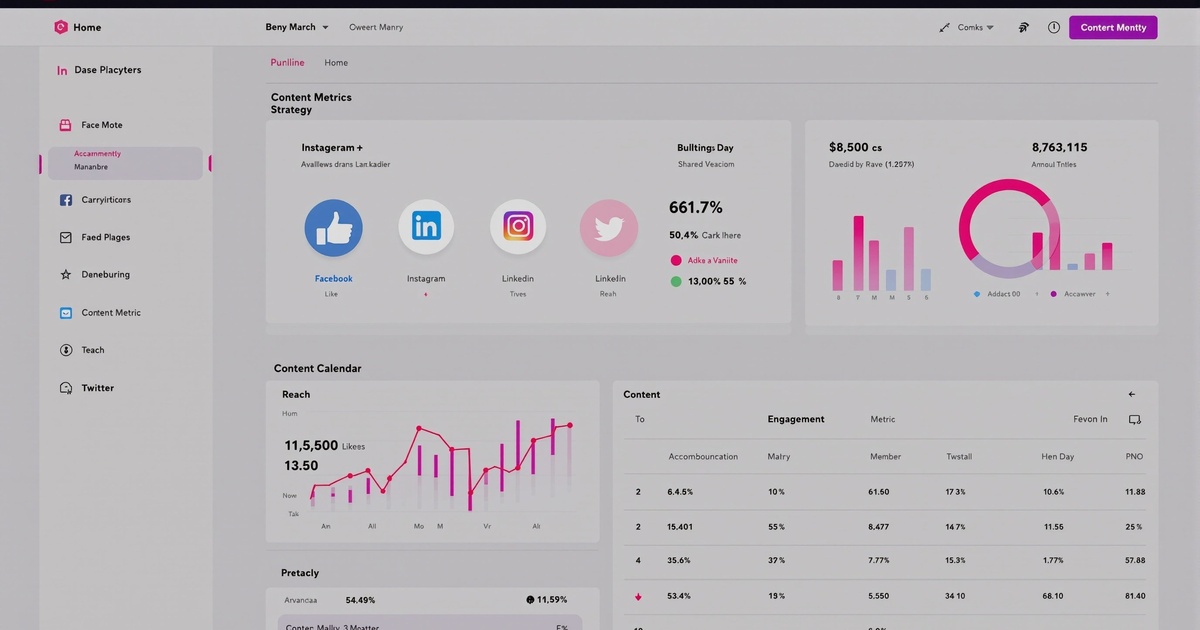
Social media marketing has evolved from broadcasting to strategic, platform-specific engagement that drives measurable business results. Success in 2025 requires understanding each platform's unique algorithm, audience behavior, and content formats. The Social Media Landscape 2025 - Social media dynamics have shifted dramatically: Short-form video dominates engagement across all platforms. Algorithm changes prioritize authentic engagement over reach. Paid social becomes necessary for significant visibility. Social commerce transforms discovery into immediate purchases. Authenticity and transparency outperform polish and perfection. Community building generates more value than follower count. Influencer partnerships remain effective when authentic. Developing a Social Media Strategy - Strategic planning ensures effective social media marketing: Define clear business goals (awareness, engagement, leads, sales). Identify target audience demographics, interests, and behaviors. Choose relevant platforms based on audience presence. Establish key performance indicators (KPIs). Allocate budget across platforms and content types. Create content calendar for consistency. Develop brand voice and visual identity. Plan resource allocation (team, tools, time). Facebook Marketing Strategy - Facebook remains powerful for specific audiences and objectives: Audience: 25-65+, broad demographics, strong for local businesses. Content Strategy: Share valuable content (how-to videos, infographics, blog posts). Post consistently (3-5 times per week). Use Facebook Stories for behind-the-scenes content. Leverage Facebook Live for real-time engagement. Create and nurture Facebook Groups for community. Share user-generated content. Algorithm Optimization: Prioritize meaningful interactions (comments over likes). Encourage conversations with questions. Respond quickly to comments and messages. Use video content for better reach. Avoid engagement bait. Facebook Ads: Precise audience targeting with detailed demographics and interests. Retarget website visitors. Use lookalike audiences for expansion. Test multiple ad creatives. Optimize for conversions, not just clicks. Instagram Marketing Strategy - Instagram excels for visual brands and younger demographics: Audience: 18-45, visual-oriented, interested in lifestyle, fashion, travel, food. Content Strategy: High-quality visual content (photos and videos). Instagram Reels for discovery and virality. Instagram Stories for daily engagement. IGTV for long-form video content. Use Carousel posts for educational content. Maintain consistent aesthetic and theme. User-generated content campaigns. Algorithm Optimization: Post when audience is most active. Use relevant hashtags (10-15 per post). Encourage saves and shares (most important signals). Use all features (Reels, Stories, IGTV). Engage with followers and community. Location tags for local businesses. Instagram Shopping: Tag products in posts and Stories. Create Instagram Shop with product catalog. Use Shopping in Reels. Partner with creators for shoppable content. Enable Instagram Checkout. LinkedIn Marketing Strategy - LinkedIn dominates B2B marketing and professional content: Audience: Professionals, B2B decision-makers, job seekers, business owners. Content Strategy: Share industry insights and thought leadership. Publish long-form articles on LinkedIn. Company updates and news. Employee advocacy content. Video content for higher engagement. Document sharing (PDFs, presentations). Polls for engagement. Algorithm Optimization: Post during business hours (Tuesday-Thursday). Encourage comments and discussions. Tag relevant people and companies. Use hashtags (3-5). Native video performs better than links. Personal profiles reach more than company pages. LinkedIn Ads: Sponsored Content for broad awareness. Sponsored InMail for direct outreach. Lead Gen Forms for easy conversions. Account-Based Marketing (ABM) targeting. Job title and company targeting. TikTok Marketing Strategy - TikTok delivers unmatched organic reach for engaging content: Audience: Gen Z and Millennials (16-35), entertainment-focused. Content Strategy: Create entertaining, authentic content. Jump on trending sounds and challenges. Show behind-the-scenes and company culture. Educational content (how-to, tips, hacks). User-generated content campaigns. Partner with TikTok creators. Post consistently (1-3 times daily). Algorithm Optimization: Hook viewers in first 3 seconds. Use trending audio. Include text overlays. Post when target audience is active. Engage with comments immediately. Use relevant hashtags. Create content that encourages completion. TikTok Ads: In-Feed Ads for conversions. TopView for maximum visibility. Branded Hashtag Challenges for UGC. Branded Effects for engagement. Spark Ads to boost organic posts. Twitter (X) Marketing Strategy - Twitter remains powerful for real-time engagement and news: Audience: Diverse, tech-savvy, interested in news, trends, conversations. Content Strategy: Share industry news and trends. Engage in conversations and trending topics. Use Twitter Threads for storytelling. Share quick tips and insights. Retweet and comment on relevant content. Customer service and support. Use images and videos for higher engagement. Algorithm Optimization: Tweet consistently (3-5 times daily). Use relevant hashtags (1-2 per tweet). Engage with replies and mentions. Retweet strategically. Create threads for better visibility. Tweet during peak hours. Twitter Ads: Promoted Tweets for visibility. Follower campaigns for growth. Website clicks for traffic. App installs for mobile apps. Engagement campaigns for interaction. YouTube Marketing Strategy - YouTube is essential for long-form video content: Create educational and entertaining videos. Optimize titles, descriptions, and tags for search. Use compelling thumbnails for clicks. Create playlists to increase watch time. Use YouTube Shorts for discovery. Engage with comments. Collaborate with other creators. Consistent upload schedule. Include calls-to-action. Monetize through ads, sponsors, products. Content Creation Best Practices - High-quality content drives engagement across platforms: Understand each platform's content preferences. Use high-quality visuals and videos. Create value (educate, entertain, inspire). Tell authentic stories. Use captions for accessibility and silent viewing. Include clear calls-to-action. Repurpose content across platforms. Test different content types. Analyze performance and iterate. Social Media Advertising - Paid social amplifies organic efforts: Set clear campaign objectives. Target specific audiences precisely. Test multiple ad variations. Use retargeting for conversions. Optimize based on performance data. Budget allocation based on ROAS. Scale winning campaigns. Community Management - Engagement builds loyal communities: Respond to comments and messages quickly. Ask questions to encourage discussion. Create and moderate groups or communities. Highlight user-generated content. Run contests and giveaways. Show appreciation for supporters. Handle negative feedback professionally. Social Media Analytics - Track these metrics for each platform: Reach and impressions. Engagement rate (likes, comments, shares). Follower growth. Click-through rate. Conversion rate. Customer acquisition cost. Return on ad spend. Share of voice. Sentiment analysis. Social Media Tools - Essential tools for effective management: Scheduling: Later, Hootsuite, Buffer, Sprout Social. Analytics: Native platform analytics, Sprout Social, Hootsuite. Design: Canva, Adobe Creative Suite. Video editing: CapCut, Adobe Premiere Rush. Social listening: Mention, Brandwatch. Influencer marketing: AspireIQ, Grin. Common Social Media Mistakes - Avoid these pitfalls: Posting identical content across all platforms. Buying followers or engagement. Ignoring comments and messages. Over-promoting and not providing value. Inconsistent posting. Not using analytics to guide strategy. Ignoring platform-specific best practices. Focusing on vanity metrics. Social Media Strategy Checklist - Essential elements for success: Clear business goals and KPIs. Target audience research. Platform selection based on audience. Content strategy and calendar. Resource allocation (team, tools, budget). Consistent brand voice and visuals. Mix of content types. Community engagement plan. Paid advertising strategy. Analytics and reporting. Regular strategy review and optimization. Results Timeline - Month 1: Strategy development and foundation. Month 2-3: Consistent posting and community building. Month 3-6: Growing engagement and following. Month 6-12: Measurable business impact from social media. Social media marketing in 2025 requires platform-specific strategies, authentic engagement, and consistent optimization. Businesses that master social media will build loyal communities and drive significant revenue.
Admin
Digital Marketing Expert
Part of the expert team at Wisdek Digital Marketing, delivering results-driven strategies for businesses across Canada.