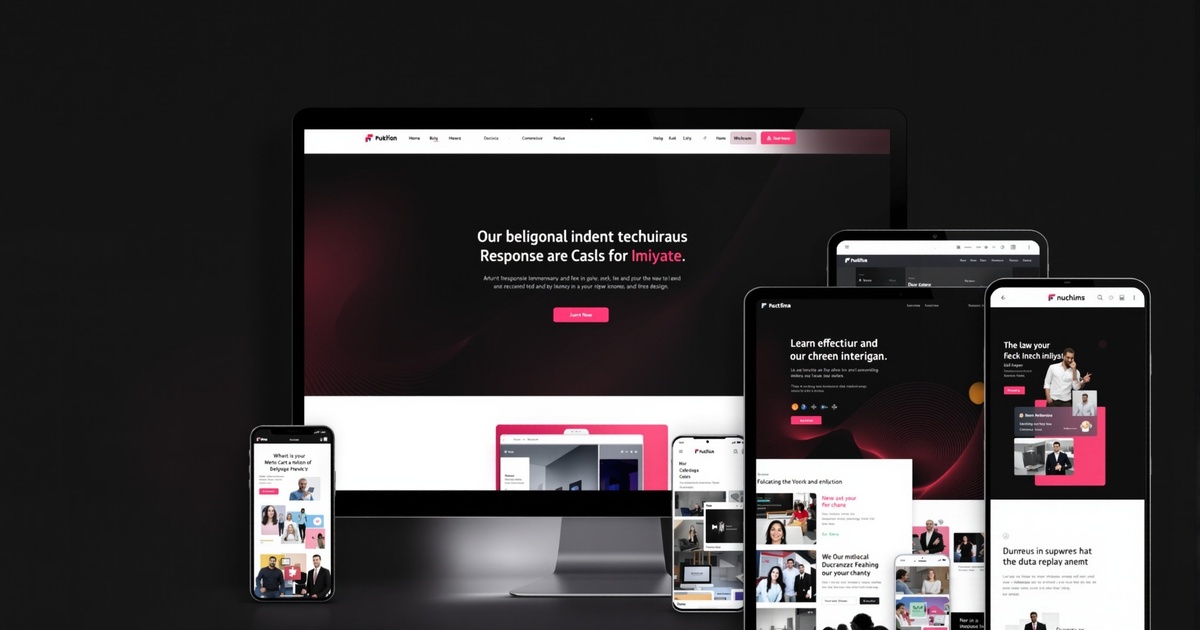
Web design has evolved beyond aesthetics to prioritize user experience, performance, and conversion optimization. The websites that dominate in 2025 combine stunning visuals with lightning-fast performance, accessibility, and strategic user experience. The State of Web Design in 2025 - Modern web design balances multiple priorities: Core Web Vitals affect search rankings and user experience. Mobile-first design is mandatory, not optional. Accessibility compliance protects against lawsuits and serves all users. Sustainable design reduces environmental impact. AI-powered personalization creates unique experiences. Privacy-first design respects user data. Conversion optimization maximizes business results. AI-Powered User Experiences - Artificial intelligence transforms website personalization: AI chatbots provide instant, intelligent customer service. Predictive search anticipates user intent. Dynamic content adapts to user behavior and preferences. AI-generated product recommendations increase sales. Personalized navigation based on user patterns. Voice-activated interfaces for hands-free interaction. AI-powered accessibility features for all users. Automated A/B testing for continuous optimization. Micro-Interactions and Animations - Subtle animations enhance user experience without harming performance: Hover effects provide visual feedback on interactive elements. Loading animations reduce perceived wait time. Scroll-triggered animations reveal content progressively. Button animations confirm user actions. Form field animations guide users through completion. Skeleton screens improve perceived performance. Smooth transitions between page states. Parallax scrolling creates depth (when used sparingly). Dark Mode and Theme Switching - Users increasingly expect theme customization: Implement automatic dark mode based on system preferences. Provide manual theme toggle for user control. Ensure both modes meet accessibility contrast standards. Use CSS custom properties for easy theme switching. Test all design elements in both themes. Optimize images and graphics for dark backgrounds. Maintain brand consistency across themes. 3D Graphics and Immersive Experiences - Three-dimensional elements create memorable experiences: WebGL enables hardware-accelerated 3D graphics. Three.js simplifies 3D development. Product visualization with 360-degree views. Virtual showrooms for immersive shopping. Interactive 3D infographics for data visualization. Augmented reality product try-on features. Optimize 3D assets for fast loading. Provide fallbacks for unsupported devices. Sustainable Web Design - Eco-conscious design reduces digital carbon footprint: Optimize images and video for smaller file sizes. Implement lazy loading for off-screen content. Use system fonts to avoid font file downloads. Minimize HTTP requests and third-party scripts. Choose green hosting providers. Implement dark mode to reduce screen energy. Cache aggressively to reduce server loads. Audit and remove unused code. Voice User Interfaces - Voice interaction expands accessibility and convenience: Implement voice search functionality. Provide voice navigation options. Use speech recognition for form completion. Add voice commands for common actions. Ensure content is structured for voice answers. Optimize for voice search queries. Test with screen readers and voice assistants. Minimalist Navigation and Menu Design - Clean navigation improves usability and aesthetics: Hamburger menus remain standard for mobile. Mega menus organize complex site structures. Sticky headers keep navigation accessible. Breadcrumbs aid navigation and SEO. Clear visual hierarchy guides users. Minimal top-level options prevent overwhelm. Search functionality for large sites. Mobile-optimized touch targets. Advanced Typography - Typography creates hierarchy and brand identity: Variable fonts offer design flexibility with smaller file sizes. Large, bold headlines create visual impact. Generous spacing improves readability. Responsive typography scales across devices. Web-safe font stacks ensure consistency. Font pairings establish brand personality. Accessible type sizes minimum 16px. Proper line height and letter spacing. Asymmetric Layouts and Broken Grids - Creative layouts differentiate from cookie-cutter templates: Asymmetric compositions create visual interest. Overlapping elements add depth. Unexpected element placement guides attention. Z-pattern and F-pattern layouts leverage eye tracking. White space provides breathing room. Grid systems maintain underlying structure. Responsive considerations for mobile devices. Neumorphism and Glassmorphism - Subtle depth effects create modern aesthetics: Neumorphism creates soft, extruded appearance. Glassmorphism mimics frosted glass effects. Use subtly for key UI elements. Ensure sufficient contrast for accessibility. Apply to cards, buttons, and navigation. Combine with gradients and shadows. Test across different backgrounds. Advanced CSS and Animations - Modern CSS enables complex effects without JavaScript: CSS Grid for two-dimensional layouts. Flexbox for flexible, responsive components. CSS custom properties for themeable design. Clip-path for unique shapes and masks. Backdrop-filter for glassmorphism effects. Transform and transition for smooth animations. Scroll-snap for controlled scrolling. Container queries for component-based responsive design. Performance Optimization - Speed affects SEO, conversions, and user satisfaction: Optimize images with next-gen formats (WebP, AVIF). Implement lazy loading for images and videos. Minify CSS, JavaScript, and HTML. Use critical CSS inline for above-the-fold content. Enable Gzip or Brotli compression. Leverage browser caching. Use content delivery networks (CDNs). Defer non-critical JavaScript. Optimize web fonts with font-display. Measure with Lighthouse and PageSpeed Insights. Mobile-First Responsive Design - Mobile drives majority of web traffic: Design for mobile first, then scale up. Use responsive images with srcset. Implement touch-friendly interface elements (44px+ tap targets). Optimize forms for mobile completion. Test on real devices, not just emulators. Consider thumb zones for navigation. Simplify mobile navigation. Optimize page speed for mobile networks. Accessibility and Inclusive Design - Accessible design serves all users and protects businesses: Meet WCAG 2.1 Level AA standards minimum. Ensure sufficient color contrast (4.5:1 text, 3:1 graphics). Provide alt text for all images. Implement keyboard navigation. Use semantic HTML for screen readers. Include ARIA labels where needed. Caption videos and provide transcripts. Test with accessibility tools and real users. Support screen reader navigation. Allow text resizing without breaking layout. Conversion-Focused Design - Strategic design maximizes business goals: Clear value propositions above the fold. Prominent, contrasting call-to-action buttons. Trust signals (reviews, certifications, guarantees). Reduced form fields increase completion. Progress indicators for multi-step processes. Exit-intent popups capture abandoning visitors. Social proof influences decisions. Live chat provides immediate assistance. A/B test design variations systematically. Website Security Visual Indicators - Users increasingly notice and trust security signals: HTTPS with valid SSL certificate (mandatory). Trust badges and security certifications. Privacy policy and terms clearly accessible. Secure payment icons on checkout. GDPR compliance indicators. Data protection messaging. Verified business information. Progressive Web Apps (PWAs) - PWAs deliver app-like experiences on the web: Offline functionality via service workers. Add to home screen capability. Push notifications for engagement. Fast loading with caching strategies. Reliable performance on poor networks. App-like navigation and interactions. Advanced Form Design - Forms are critical conversion points: Multi-step forms reduce abandonment. Inline validation provides immediate feedback. Smart defaults and autofill. Conditional logic shows relevant fields. Progress indicators for long forms. Mobile-optimized inputs (tel, email, date). Clear error messages. Simplified checkout processes. Video Backgrounds and Hero Sections - Video creates immersive first impressions: Short, looping background videos. Muted autoplay (unmute option). Optimized file sizes for performance. Fallback images for slow connections. Overlay text with proper contrast. Mobile-considerate alternatives. Custom Illustrations and Graphics - Unique visuals differentiate brands: Custom illustrations reflect brand personality. Icon sets for consistency. Animated graphics for engagement. SVG graphics for scalability and performance. Isometric illustrations for depth. Hand-drawn elements for authenticity. Web Design Success Checklist - Essential elements for modern websites: Mobile-first responsive design. Page speed under 3 seconds. WCAG 2.1 AA accessibility. Clear value proposition. Prominent CTAs. Trust signals and social proof. Easy navigation. Optimized forms. High-quality visuals. Consistent branding. SEO optimization. Analytics implementation. Security (HTTPS). Privacy compliance. Regular testing and updates. Results Timeline - Week 1-2: Design concept and wireframes. Week 3-4: Visual design and prototyping. Month 2: Development and implementation. Month 3: Testing, refinement, and launch. Ongoing: Continuous optimization based on data. Modern web design in 2025 requires balancing aesthetics, performance, accessibility, and business goals. Websites that master this balance will dominate their markets.
Admin
Digital Marketing Expert
Part of the expert team at Wisdek Digital Marketing, delivering results-driven strategies for businesses across Canada.