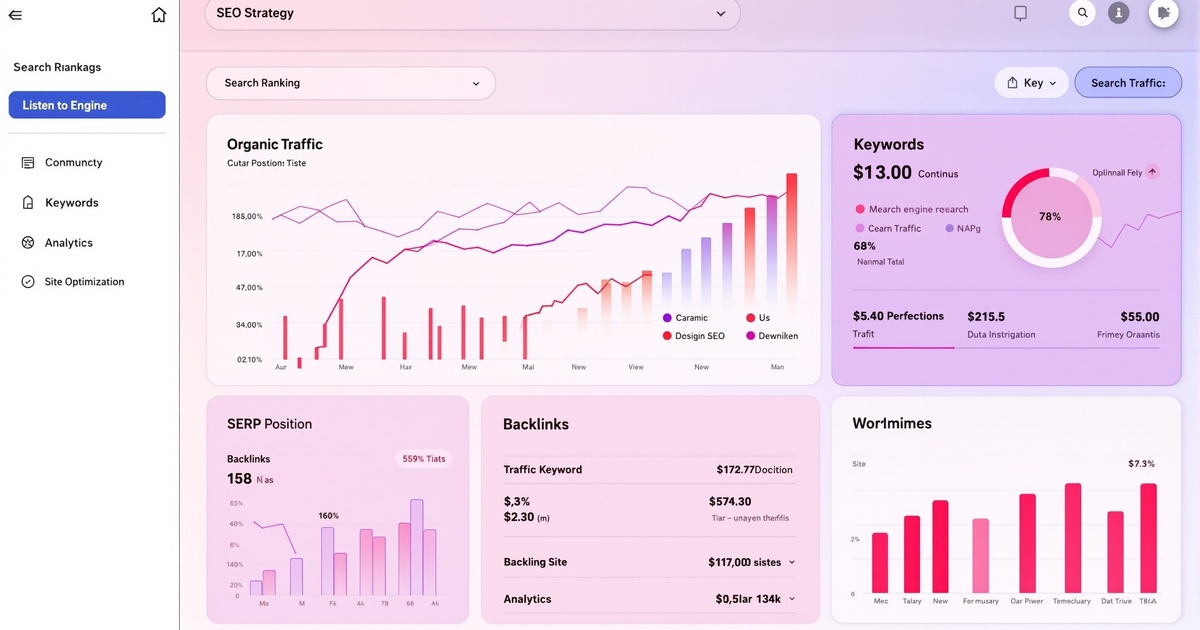
Search engine optimization has evolved into a sophisticated discipline combining technical excellence, strategic content, user experience optimization, and authority building. Success in 2025 requires mastering all SEO elements while adapting to continuous algorithm updates. The SEO Landscape in 2025 - Modern SEO balances multiple ranking factors: Google's AI (RankBrain, BERT, MUM) understands content context and intent. Core Web Vitals directly impact rankings. E-E-A-T (Experience, Expertise, Authoritativeness, Trustworthiness) determines content quality. Mobile-first indexing makes mobile optimization mandatory. User experience signals affect rankings. Semantic search requires topic comprehensiveness. Entity-based search rewards brand authority. Technical SEO Foundations - Technical optimization ensures search engines can crawl, index, and understand your site: Site Architecture: Logical hierarchy with shallow click depth. XML sitemap submission. Robots.txt optimization. Crawl budget optimization. Duplicate content prevention. Canonical tag implementation. Mobile Optimization: Mobile-first responsive design. Core Web Vitals optimization (LCP, INP, CLS). Mobile usability perfection. Touch-friendly elements. Fast mobile page speed. Site Speed: Compress images and enable lazy loading. Minify CSS, JavaScript, HTML. Enable browser caching. Use content delivery networks. Defer non-critical resources. Optimize server response time. Structured Data: Schema markup for rich results. Organization and LocalBusiness schemas. Product, Review, and FAQ schemas. BreadcrumbList for site navigation. VideoObject and Article schemas. Event schema for happenings. On-Page SEO Optimization - On-page elements signal content relevance: Title Tags: Include primary keyword near beginning. Keep under 60 characters. Make compelling for click-through. Unique for every page. Brand name at end. Meta Descriptions: Include primary and related keywords. Compelling call-to-action. 155-160 characters. Unique for each page. Match search intent. Header Tags: H1 for main page topic (one per page). H2 for main sections. H3 for subsections. Include keywords naturally. Create logical hierarchy. Content Optimization: Target primary and related keywords. Answer user intent comprehensively. Use LSI and semantic keywords. Optimal length (1,500-2,500+ words for competitive topics). Include multimedia (images, videos). Regular content updates. Internal linking strategy. Image Optimization: Descriptive file names. Alt text for accessibility and SEO. Next-gen formats (WebP, AVIF). Responsive images with srcset. Compressed for fast loading. Keyword Research and Strategy - Effective keyword targeting combines volume, intent, and competition: Identify seed keywords relevant to business. Use tools (Ahrefs, SEMrush, Google Keyword Planner). Analyze search volume and keyword difficulty. Understand search intent (informational, navigational, commercial, transactional). Target long-tail keywords for easier ranking. Identify question-based keywords for featured snippets. Analyze competitor keywords for gaps and opportunities. Group keywords by topic and intent. Content Strategy for SEO - Strategic content creation drives organic growth: Pillar Content: Comprehensive guides on core topics (3,000-10,000+ words). Hub for related content through internal linking. Target high-volume head keywords. Regularly updated for freshness. Supporting Content: Detailed articles on subtopics. Target long-tail keywords. Link to relevant pillar pages. Address specific user questions. Variety: Blog posts for ongoing updates. Product/service pages optimized for commercial intent. Landing pages for specific campaigns. Video content for engagement. Infographics for backlinks and shares. Local SEO Optimization - Local businesses must dominate local search: Google Business Profile optimization complete 100%. Consistent NAP across all directories and citations. Location-specific landing pages for each service area. Local content addressing community topics. Local backlinks from community organizations, media, business partners. Customer reviews generation and management. Local schema markup implementation. Optimize for near me and best in [city] queries. Link Building Strategies - High-quality backlinks remain a critical ranking factor: Create linkable assets (original research, tools, comprehensive guides). Guest posting on relevant, authoritative sites. Digital PR and media outreach. Broken link building. Resource page link building. Competitor backlink analysis and replication. HARO (Help a Reporter Out) for media mentions. Local partnerships and sponsorships. Unlinked brand mention reclamation. Content promotion for natural link acquisition. E-E-A-T Optimization - Demonstrate experience, expertise, authoritativeness, and trustworthiness: Author Bios: Detailed credentials and experience. Professional photos. LinkedIn profile links. Bylines on multiple articles. About Page: Founding date and history. Team members and qualifications. Industry awards and recognition. Client testimonials. Trust Signals: SSL certificate (HTTPS). Privacy policy and terms. Contact information prominent. Physical address for local. Customer reviews displayed. Security badges. Professional associations. Expertise Demonstration: Original research and data. In-depth, comprehensive content. Regular industry insights. Speaking engagements and media mentions. Featured Snippet Optimization - Featured snippets capture position zero traffic: Identify question keywords with existing snippets. Create content directly answering questions. Use clear, concise language (40-60 words for paragraph snippets). Format with lists (numbered or bulleted). Use tables for data. Implement FAQ schema markup. Use question-based H2 headers. Provide comprehensive answers. Voice Search Optimization - Voice queries require different optimization: Target conversational, long-tail keywords. Answer question-based queries. Use natural language in content. Create FAQ pages. Implement speakable schema. Optimize for local voice searches. Ensure mobile optimization. Focus on featured snippets. Core Web Vitals Optimization - Page experience signals directly affect rankings: Largest Contentful Paint (LCP): Optimize and compress images. Use CDN for faster delivery. Minify CSS and JavaScript. Eliminate render-blocking resources. Target: under 2.5 seconds. Interaction to Next Paint (INP): Optimize JavaScript execution. Reduce third-party scripts. Use web workers for heavy tasks. Defer non-critical JavaScript. Target: under 200 milliseconds. Cumulative Layout Shift (CLS): Set size attributes for images and videos. Avoid inserting content above existing content. Use transform animations instead of layout-triggering properties. Target: under 0.1. Semantic SEO and Topic Clusters - Modern SEO requires comprehensive topic coverage: Create pillar pages for broad topics. Support with cluster content on related subtopics. Use topic modeling tools. Include related entities and concepts. Build topical authority through depth. Implement internal linking from clusters to pillars. International and Multilingual SEO - Global websites require specific optimization: Use hreflang tags for language targeting. Choose URL structure (subdomain, subdirectory, ccTLD). Translate content, don't just use automated translation. Localize content for cultural relevance. Build local backlinks in target countries. Optimize for local search engines. Mobile SEO Best Practices - Mobile-first indexing makes mobile optimization critical: Responsive design for all devices. Touch-friendly navigation and buttons. Fast mobile page speed. Readable text without zooming. Avoid intrusive interstitials. Test on real mobile devices. Optimize forms for mobile completion. Measuring SEO Success - Track these metrics to evaluate performance: Organic search traffic. Keyword rankings for target terms. Organic conversion rate and revenue. Click-through rate from search results. Domain authority and backlink profile. Indexed pages. Core Web Vitals scores. Featured snippet captures. Local pack rankings. SEO Tools Stack - Leverage these tools for optimization: Keyword Research: Ahrefs, SEMrush, Google Keyword Planner. Technical SEO: Screaming Frog, Google Search Console, Sitebulb. Analytics: Google Analytics 4, Google Search Console. Backlinks: Ahrefs, Moz, Majestic. Local SEO: BrightLocal, Whitespark. Performance: PageSpeed Insights, GTmetrix, WebPageTest. Common SEO Mistakes - Avoid these pitfalls: Keyword stuffing and over-optimization. Neglecting technical SEO. Ignoring mobile optimization. Buying backlinks. Duplicate content. Thin content pages. Slow page speed. Poor site structure. Ignoring Core Web Vitals. Not tracking results. SEO Strategy Checklist - Essential elements for search success: Comprehensive keyword research. Technical SEO audit and fixes. On-page optimization for all pages. High-quality, comprehensive content. Strategic internal linking. Link building campaign. Local SEO optimization. Mobile optimization. Core Web Vitals optimization. Regular content updates. Performance tracking and reporting. Competitive analysis. Continuous testing and refinement. Results Timeline - Month 1-2: SEO audit, strategy, and implementation. Month 3-6: Initial ranking improvements and traffic growth. Month 6-12: Significant organic growth and conversions. Year 2+: Dominant market position with sustained traffic. SEO in 2025 requires comprehensive strategy, technical excellence, and continuous optimization. Businesses that master modern SEO will capture massive organic search opportunity.
Admin
Digital Marketing Expert
Part of the expert team at Wisdek Digital Marketing, delivering results-driven strategies for businesses across Canada.

![How to Choose the Best Toronto SEO Agency in 2026 [Expert Guide]](/blog/seo-toronto-guide.jpg)