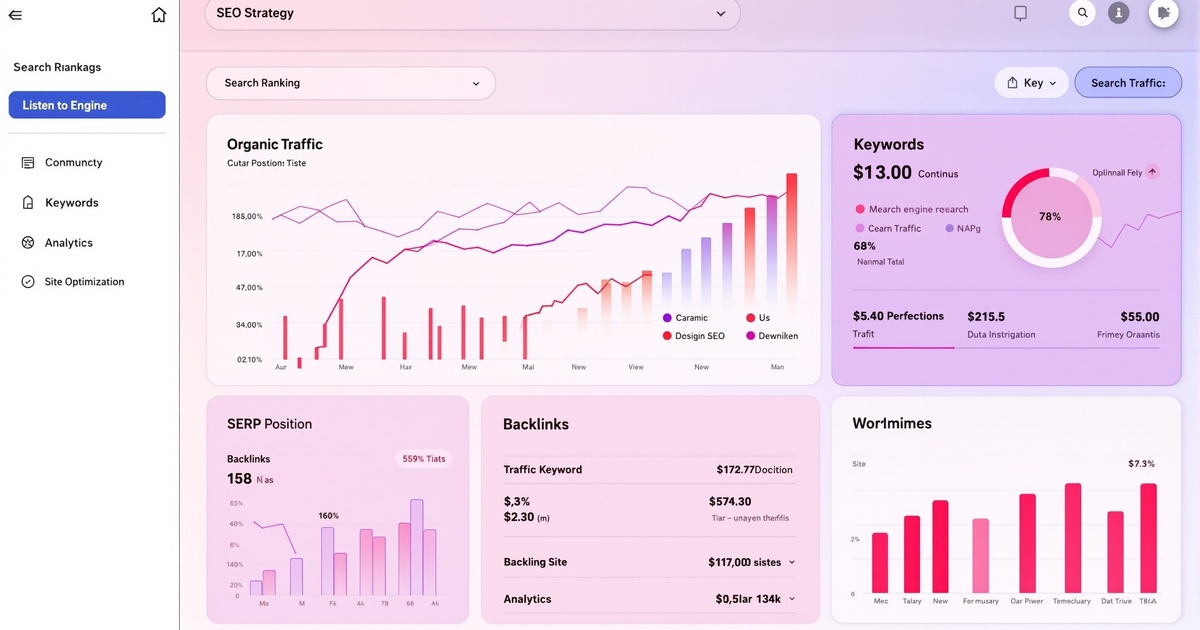
Voice search has exploded from novelty to necessity. By 2025, 55% of households own smart speakers, and voice commerce exceeds $40 billion annually. Businesses optimizing for voice search capture high-intent customers at the exact moment they're ready to take action. This guide reveals how to dominate voice search results. The Voice Search Landscape in 2025 - Voice search queries differ fundamentally from typed searches: Longer and more conversational (10-15 words vs 2-3). Question-based (who, what, where, when, why, how). Local intent dominant (near me, closest, best in). Action-oriented (buy, order, book, schedule). Natural language phrasing. Voice search results also differ: Position zero (featured snippet) captures most traffic. Local pack results for commercial queries. Direct answers without click-through. Google Business Profile information read aloud. Optimizing Content for Voice Search - Voice search optimization requires different content strategies: Target long-tail, conversational keywords. Create FAQ pages addressing common questions. Use natural language in content, not keyword stuffing. Structure content with clear question-based headings. Provide concise, direct answers in the first paragraph. Include location-specific information. Optimize for featured snippets. Use schema markup for speakable content. Example: Instead of targeting SEO company, target What is the best SEO company in Toronto or Where can I find affordable SEO services near me. Local Voice Search Domination - Local voice searches drive immediate business: Claim and optimize your Google Business Profile completely. Maintain NAP consistency across all directories. Generate and respond to customer reviews regularly. Create location-specific landing pages. Include detailed business hours and contact information. Add local landmarks and neighborhood names to content. Build local citations and backlinks. Optimize for near me and best in [city] queries. Technical Voice Search SEO - Technical optimization ensures voice assistants can access your content: Implement structured data markup (LocalBusiness, FAQPage, Organization). Use speakable schema to identify content suitable for audio playback. Ensure mobile-first, responsive design. Optimize page speed for fast loading (under 3 seconds). Implement HTTPS security. Create an XML sitemap and submit to search engines. Use header tags (H1, H2, H3) properly. Ensure crawlable site architecture. Featured Snippet Optimization - Featured snippets provide the majority of voice search answers: Identify questions your target audience asks. Create content that directly answers those questions. Use clear, concise language in the first 40-60 words. Format answers with lists, tables, or paragraphs as appropriate. Include relevant statistics and data. Use question-based headers (H2, H3). Target question keywords with low competition. Creating Voice-Friendly Content - Voice search users want immediate, actionable answers: Write in second person (you). Use short sentences and paragraphs. Avoid jargon and complex terminology. Include step-by-step instructions. Provide specific numbers and facts. Use conversational transitions. Address follow-up questions. Include calls-to-action suitable for voice. Measuring Voice Search Success - Track voice search performance through: Google Search Console voice search query data. Google Analytics mobile traffic (proxy for voice). Featured snippet rankings for question keywords. Google Business Profile insights for how found searches. Call tracking for phone calls from voice search. Position zero rankings. Local pack appearances. Voice Commerce Optimization - Voice shopping is growing exponentially: Optimize product listings for voice queries. Use natural product descriptions. Include detailed specifications. Implement product schema markup. Enable voice ordering through platforms. Create voice shopping skills for Alexa. Optimize for brand name pronunciation. The Future of Voice Search - Voice search will continue evolving: Multilingual voice search optimization. Personalized voice results based on user history. Visual responses on smart displays. Voice-activated AR and VR experiences. Integration with IoT devices. Actionable Voice Search Checklist - Audit content for conversational keyword opportunities. Create comprehensive FAQ sections. Claim and optimize all local business listings. Implement speakable and FAQ schema markup. Optimize for featured snippets. Ensure mobile performance meets Core Web Vitals. Build local citations and backlinks. Generate customer reviews weekly. Create voice-friendly content addressing common questions. Track rankings for question-based keywords. Test your business information on voice assistants. Results Timeline - 30-60 days: Improved local voice search visibility. 90 days: Featured snippet appearances. 6 months: Dominant voice search presence driving measurable traffic and conversions. Voice search optimization is no longer optional—it's essential for staying competitive in 2025 and beyond.
Admin
Digital Marketing Expert
Part of the expert team at Wisdek Digital Marketing, delivering results-driven strategies for businesses across Canada.