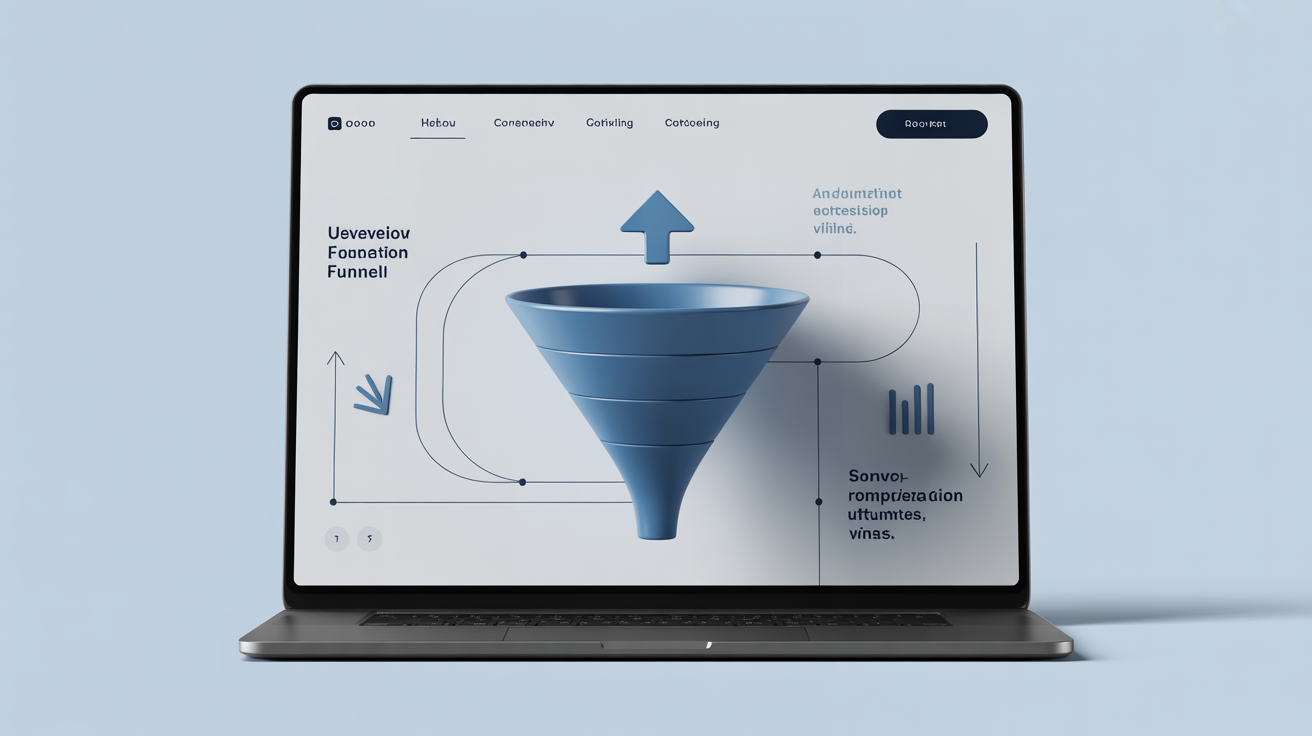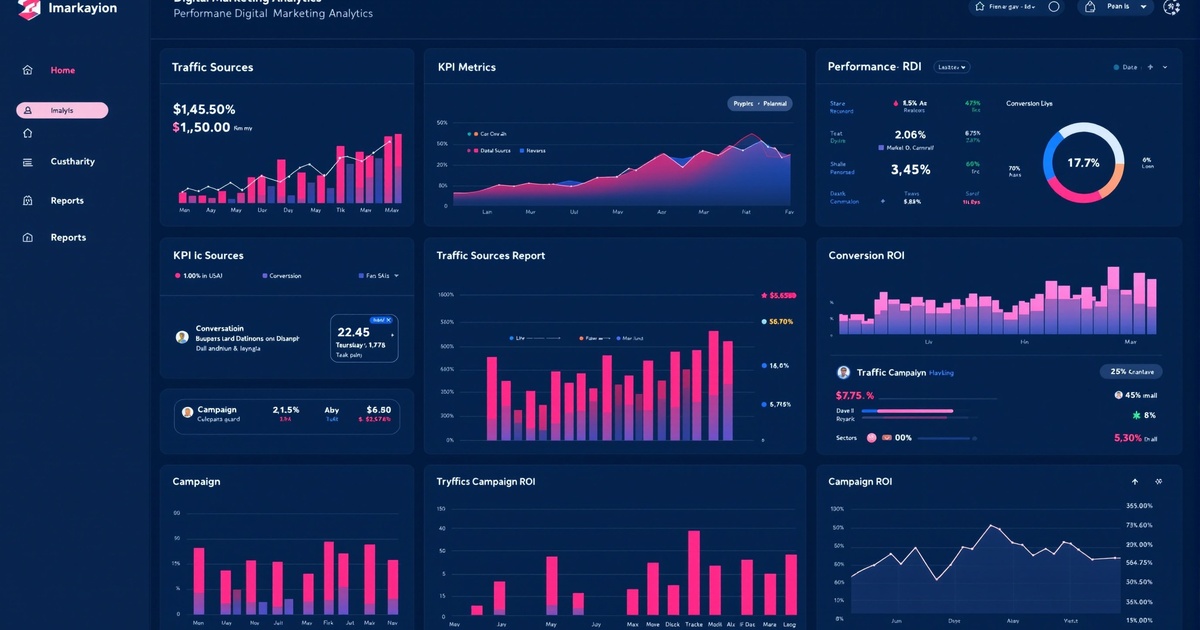
Digital marketing analytics transforms data into actionable insights that drive revenue growth. With Google Analytics 4, advanced attribution models, and AI-powered insights, businesses can optimize every marketing dollar for maximum return. The Analytics Landscape in 2025 - Modern analytics provides unprecedented visibility: Google Analytics 4 uses event-based tracking. AI and machine learning predict customer behavior. Cross-device and cross-platform tracking. Privacy-first measurement replaces cookies. Predictive analytics forecast outcomes. Real-time data enables agile optimization. Attribution models show true marketing impact. Google Analytics 4 Mastery - GA4 fundamentally differs from Universal Analytics: Event-Based Model: Every interaction is an event (page_view, click, purchase). Custom events track specific actions. Enhanced measurement automatically tracks scrolls, downloads, video engagement. User properties segment audiences. Events can include parameters for context. Setup and Configuration: Install GA4 tag on all pages. Configure data streams (web, iOS, Android). Enable enhanced measurement. Create custom events for business-specific actions. Set up conversion events. Configure user properties. Link to Google Ads. Key Reports: Acquisition reports show traffic sources. Engagement reports analyze user interaction. Monetization reports track revenue. Retention reports measure customer loyalty. User reports provide demographic insights. Exploration reports enable custom analysis. Conversion Tracking Implementation - Accurate tracking ensures data-driven decisions: Define conversion goals (purchases, leads, sign-ups, calls). Implement conversion tracking on all platforms (GA4, Google Ads, Facebook, LinkedIn). Set monetary values for all conversions. Track micro-conversions (email sign-ups, content downloads). Use Google Tag Manager for flexible tracking. Implement enhanced conversions for improved accuracy. Track offline conversions (phone calls, in-store visits). Validate tracking with test conversions. Attribution Modeling - Attribution reveals which marketing touchpoints drive conversions: Last Click: Credit to final touchpoint before conversion. Simple but ignores customer journey. First Click: Credit to initial touchpoint. Highlights awareness channels. Linear: Equal credit to all touchpoints. Values entire journey equally. Time Decay: More credit to recent touchpoints. Position-Based: More credit to first and last touchpoints. Data-Driven (Google's default): Machine learning assigns credit based on actual impact. Use data-driven attribution for most accurate insights. Analyze attribution across models for complete picture. E-commerce Analytics - Online stores require specific tracking: Product performance analysis. Shopping behavior (cart abandonment rate). Checkout behavior (where users drop off). Revenue by traffic source. Average order value. Purchase frequency. Customer lifetime value. Product affinity (items purchased together). Refund rate and return reasons. Lead Generation Analytics - B2B and service businesses focus on leads: Lead volume by source. Lead quality scoring. Cost per lead by channel. Lead-to-customer conversion rate. Sales cycle length. Revenue by lead source. Form abandonment rate. Most valuable lead magnets. Landing page conversion rates. Marketing Campaign Analytics - Campaign-specific measurement drives optimization: Use UTM parameters consistently (source, medium, campaign, content, term). Track campaign performance by channel. Measure ROI for each campaign. Analyze conversion funnel by campaign. Test variations systematically. Monitor cost per acquisition. Track assisted conversions. Measure brand lift from campaigns. Multi-Channel Attribution - Understand how channels work together: Identify primary conversion channels. Measure assisted conversion value. Analyze channel interaction patterns. Understand role of awareness vs. conversion channels. Optimize budget allocation based on attribution data. Track cross-device customer journeys. Audience Segmentation - Segmentation reveals insights hidden in aggregate data: Geographic segmentation (country, region, city). Demographic segmentation (age, gender). Behavioral segmentation (new vs. returning, engaged vs. disengaged). Technographic segmentation (device, browser, OS). Source segmentation (organic, paid, social, email, direct). Customer segment (high-value, at-risk, new). Create custom segments for specific analysis. Funnel Analysis - Identify and fix conversion bottlenecks: Map complete customer journey. Create funnel visualization in GA4. Identify highest drop-off points. Analyze abandonment by traffic source. Test hypotheses for improving conversion. Calculate funnel conversion rates. Track funnel improvements over time. Real-Time Analytics - Real-time data enables agile response: Monitor campaign launches immediately. Track flash sale or promotion performance. Identify and fix technical issues quickly. Understand traffic spikes. Monitor social media campaign impact. Respond to trending topics. Optimize ad spend in real-time. Custom Dashboards and Reports - Tailored reporting keeps stakeholders informed: Create executive dashboards with key metrics. Build channel-specific reports. Develop campaign performance templates. Share automated reports via email. Use Looker Studio (Data Studio) for visual dashboards. Customize reports for different stakeholders. Schedule regular report delivery. Predictive Analytics - AI predicts future outcomes: Predictive audiences identify users likely to convert or churn. Forecast revenue based on historical trends. Predict customer lifetime value. Identify users likely to purchase specific products. Anticipate seasonal trends. Model different scenarios (budget changes, market shifts). Use predictions to optimize targeting and bidding. A/B Testing and Experimentation - Testing drives continuous improvement: Test headlines, copy, images, CTAs. Implement multivariate testing for complex pages. Use statistical significance calculators. Run tests for sufficient duration. Document learnings systematically. Test one variable at a time for clear insights. Scale winning variations. Marketing Mix Modeling - Understand long-term channel contribution: Analyze historical performance across channels. Model incremental impact of each channel. Determine optimal budget allocation. Account for external factors (seasonality, competition). Project future performance scenarios. Guide strategic planning and budgeting. Customer Lifetime Value Analysis - CLV informs acquisition and retention strategy: Calculate average customer value. Measure purchase frequency. Determine customer lifespan. Identify high-value customer characteristics. Optimize acquisition targeting high-CLV segments. Invest in retention based on CLV. Privacy-Compliant Analytics - Respect privacy while measuring performance: Implement proper consent management. Use first-party data collection. Leverage GA4's privacy features. Implement server-side tracking. Use conversion modeling for incomplete data. Be transparent about data usage. Comply with GDPR, CCPA, and other regulations. Data Visualization - Clear visuals communicate insights effectively: Use appropriate chart types for data. Highlight key insights prominently. Show trends over time. Compare performance across segments. Use color strategically. Keep dashboards clean and uncluttered. Include context for numbers. Update visualizations regularly. Marketing Analytics Tools - Comprehensive tool stack: Google Analytics 4 (web analytics). Google Tag Manager (tag management). Looker Studio (reporting and dashboards). Google Optimize (A/B testing). Hotjar (heatmaps and session recordings). Supermetrics (data integration). Tableau or Power BI (advanced visualization). Mixpanel or Amplitude (product analytics). Segment (customer data platform). Common Analytics Mistakes - Avoid these pitfalls: Not implementing tracking properly. Ignoring data quality issues. Analyzing vanity metrics. Looking at aggregate data only. Not using segmentation. Correlation vs. causation confusion. Analysis paralysis (not taking action). Tracking too many metrics. Not validating data accuracy. Ignoring mobile app analytics. Analytics Best Practices - Follow these principles: Define goals before collecting data. Implement tracking comprehensively. Validate data accuracy regularly. Use consistent naming conventions. Document tracking implementation. Train team on analytics platform. Schedule regular data reviews. Act on insights discovered. Test hypotheses systematically. Respect user privacy. Digital Marketing Analytics Checklist - Essential elements: Google Analytics 4 properly configured. Conversion tracking on all platforms. UTM parameters used consistently. Attribution model selected. Key metrics defined and tracked. Custom segments created. Regular reporting scheduled. Team trained on analytics tools. Data quality validated. Privacy compliance ensured. A/B testing program active. Insights driving optimization. Results Timeline - Week 1-2: Analytics setup and configuration. Month 1: Baseline data collection. Month 2-3: Initial insights and optimizations. Month 3-6: Data-driven improvements showing ROI. Month 6-12: Sophisticated analysis driving significant growth. Digital marketing analytics in 2025 combines powerful tools, AI-driven insights, and privacy-first measurement. Businesses that master analytics will optimize every marketing dollar for maximum return.
Admin
Digital Marketing Expert
Part of the expert team at Wisdek Digital Marketing, delivering results-driven strategies for businesses across Canada.