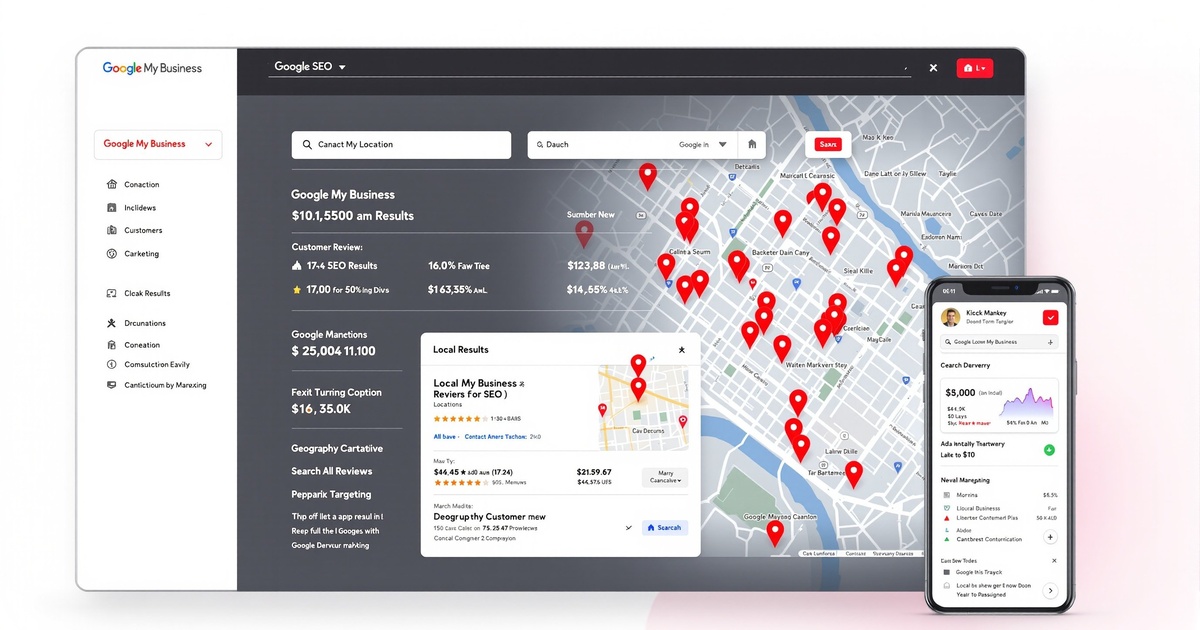
Local business marketing has never been more critical or more competitive. With 97% of consumers searching online for local businesses, and 76% of local searches resulting in a store visit within 24 hours, effective local marketing drives immediate business results. Local Business Marketing Fundamentals - Modern local marketing combines digital and traditional tactics: 88% of consumers trust online reviews as much as personal recommendations. Google Business Profile is the #1 local marketing tool. Local SEO drives qualified traffic without ongoing costs. Community engagement builds loyal customer base. Reputation management influences purchase decisions. Multi-location businesses require scalable strategies. Google Business Profile Optimization - GBP is the foundation of local digital marketing: Claim and verify all business locations. Choose most specific, relevant business categories. Complete 100% of profile sections. Add high-quality photos (exterior, interior, products, team). Post updates weekly (offers, events, news). Respond to every review within 24 hours. Add products or services with descriptions. Enable messaging for direct communication. Monitor and answer Q&A section. Use Google Posts for announcements. Keep business hours accurate. Add special hours for holidays. Local SEO Strategy - Local search optimization captures high-intent customers: On-Page Local SEO: Include city/neighborhood in title tags and headers. Create location-specific pages. Include NAP (Name, Address, Phone) on every page. Embed Google Maps. Use LocalBusiness schema markup. Include local keywords naturally. Add customer testimonials with locations. Citation Building: Ensure consistent NAP across all directories. List on Google, Apple Maps, Bing Places. Create profiles on industry-specific directories. Build citations on local directories. Maintain consistency across all listings. Monitor and update citations regularly. Local Link Building: Partner with local businesses for links. Sponsor local events and organizations. Get featured in local media. Participate in community initiatives. Build relationships with local bloggers. Local Advertising Strategies - Paid local advertising drives immediate results: Google Local Service Ads: Google Guarantee badge builds trust. Pay per lead, not per click. Background check verification. Prominent placement above organic and paid. Category-specific for service businesses. Google Ads Local Campaigns: Automated ads across Google properties. Drive foot traffic to physical locations. Track store visits and directions. Promote location-specific offers. Geo-targeted to specific radius. Facebook and Instagram Local Ads: Target users within specific distance. Promote local events and offers. Use location extensions. Retarget local website visitors. Create lookalike audiences from customers. Online Review Management - Reviews directly impact local rankings and conversions: Request reviews from satisfied customers immediately. Make reviewing easy with direct links. Respond to all reviews professionally. Address negative reviews constructively. Thank customers for positive reviews. Showcase reviews on website. Monitor review trends and themes. Use feedback to improve operations. Implement systematic review generation. Display aggregate rating prominently. Local Content Marketing - Hyperlocal content attracts local customers: Create neighborhood guides and resources. Cover local events and news. Highlight local customer success stories. Create local how-to content. Feature local team members. Participate in local trends and topics. Optimize for local long-tail keywords. Publish local industry insights. Social Media for Local Businesses - Social platforms drive local engagement and awareness: Post regularly with local focus. Use location tags consistently. Engage with local community online. Share behind-the-scenes content. Highlight local team members. Promote local events and specials. Partner with local influencers. Use local hashtags. Respond quickly to messages. Create local Facebook groups. Run local social media contests. Email Marketing for Local Businesses - Email nurtures relationships and drives repeat business: Build email list through in-store and online signups. Segment by location for multi-location businesses. Send location-specific offers and promotions. Announce new products, services, or locations. Share local company news and updates. Provide valuable local content. Automate welcome and re-engagement campaigns. Track email-driven store visits. Local Partnership Marketing - Strategic partnerships expand reach and credibility: Partner with complementary local businesses. Cross-promote products and services. Co-host local events. Create joint promotions and offers. Share each other's content. Build referral relationships. Sponsor local sports teams or schools. Participate in chamber of commerce. Collaborate on community initiatives. Community Engagement - Active community involvement builds brand loyalty: Sponsor local events and causes. Participate in community festivals. Host local workshops or classes. Support local schools and youth programs. Engage in local charity work. Attend local networking events. Join local business associations. Hire locally and highlight in marketing. Celebrate local milestones and achievements. Traditional Local Marketing - Offline tactics still drive local awareness: Direct mail to targeted neighborhoods. Local radio advertising. Billboard and outdoor advertising. Local newspaper and magazine ads. Door hangers and flyers. Vehicle wraps and signage. Local TV advertising for larger budgets. Event marketing and pop-up experiences. Multi-Location Business Strategies - Scale local marketing across multiple locations: Create location-specific landing pages. Localize content for each market. Maintain separate GBP for each location. Implement location-specific social accounts when appropriate. Centralize brand messaging while localizing tactics. Provide location-level performance reporting. Empower local managers with marketing tools. Standardize processes while allowing local flexibility. Use location pages for local link building. Mobile Marketing for Local - Mobile drives majority of local searches: Ensure mobile-friendly website. Implement click-to-call buttons. Optimize for voice search. Use SMS marketing for immediate offers. Enable mobile payments. Create mobile app for loyalty programs. Optimize mobile page speed. Use mobile-specific ad formats. Local Marketing Automation - Automation scales local marketing efforts: Automated review request emails. Social media scheduling tools. Email marketing automation. Citation management tools. Automated reputation monitoring. Lead management and follow-up. Multi-location reporting dashboards. Automated local SEO audits. Measuring Local Marketing Success - Track these local metrics: Google Business Profile insights (views, calls, direction requests). Local search rankings. Website traffic from local searches. Phone calls from local marketing. Form submissions by location. In-store foot traffic. Local social media engagement. Review quantity and sentiment. Citation consistency score. Local link acquisition. Return on ad spend by location. Customer acquisition cost. Local Marketing Tools - Essential tools for local businesses: Google Business Profile. Google Analytics 4. Local SEO: BrightLocal, Whitespark. Review management: ReviewTrackers, Podium. Citation management: Yext, Moz Local. Social media: Hootsuite, Buffer. Email marketing: Mailchimp, Constant Contact. CRM: HubSpot, Salesforce. Call tracking: CallRail, CallTrackingMetrics. Common Local Marketing Mistakes - Avoid these pitfalls: Inconsistent NAP across platforms. Neglecting Google Business Profile. Not responding to reviews. Ignoring negative reviews. Focusing only on online or only on offline. Using generic, non-local content. Not tracking local marketing ROI. Forgetting mobile optimization. Ignoring voice search. Failing to engage with community. Local Business Marketing Checklist - Essential elements: Claimed and optimized Google Business Profile. Consistent NAP across directories. Location-specific website pages. Active review generation program. Regular Google Posts. Local keyword-optimized content. Local backlink building. Mobile-optimized website. Local social media presence. Email marketing to local customers. Community engagement activities. Local advertising campaigns. Performance tracking and reporting. Results Timeline - Month 1: Foundation setup (GBP, citations, website optimization). Month 2-3: Content creation and link building. Month 3-6: Growing local visibility and traffic. Month 6-12: Dominant local presence driving consistent customers. Local business marketing in 2025 requires comprehensive digital presence, active community engagement, and reputation management. Small businesses that master local marketing will thrive in competitive local markets.
Admin
Digital Marketing Expert
Part of the expert team at Wisdek Digital Marketing, delivering results-driven strategies for businesses across Canada.