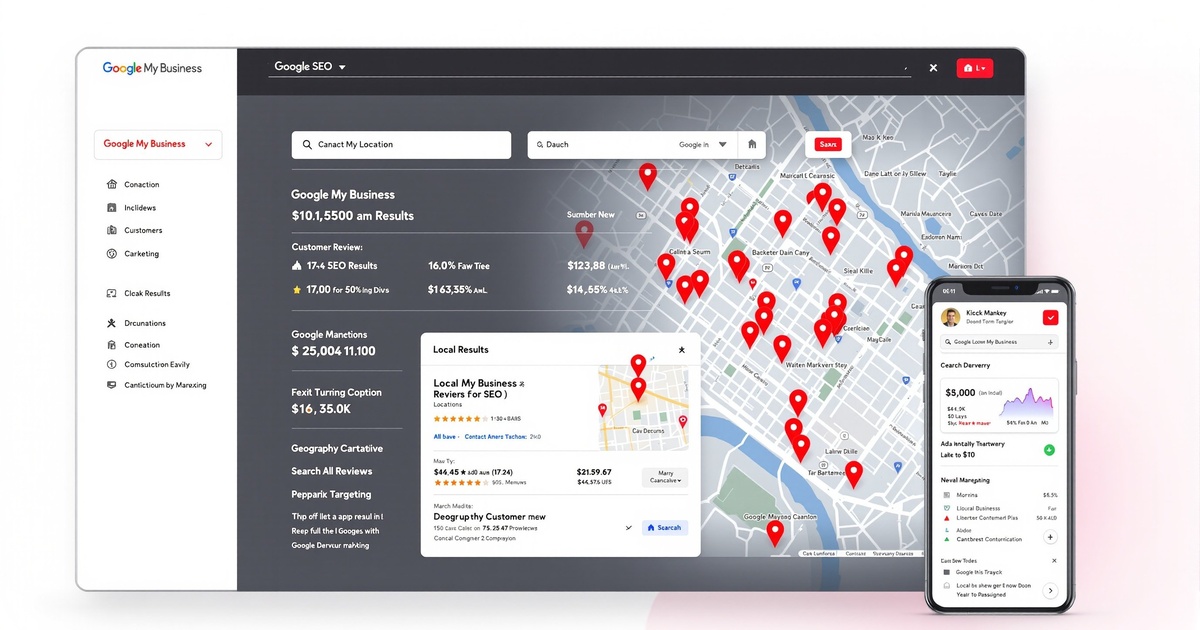
Voice search is fundamentally changing how people interact with search engines and discover information online. With over 40% of adults using voice search daily and smart speaker ownership continuing to grow, optimizing for voice search is no longer optional but essential for staying competitive in search results. Understanding Voice Search - Voice queries differ significantly from typed searches. Voice searches are typically 3-5 words longer than text searches, averaging 29 words compared to 2-3 words for text. Users speak naturally using conversational language rather than keyword shorthand. Instead of typing weather Toronto, they ask What is the weather like in Toronto today. Voice searches often start with question words including who, what, where, when, why, and how. Local intent is extremely common with near me searches and local business queries. Users expect immediate direct answers rather than a list of links to explore. Voice Search Statistics show 55% of households are expected to own smart speakers by 2025, 71% of consumers prefer voice search over typing, 58% of consumers have used voice search to find local businesses, and voice commerce is projected to reach $40 billion by 2024. How Voice Search Works - Natural Language Processing allows voice assistants to use sophisticated NLP to convert speech to text, understand context and intent, parse complex queries, and provide relevant answers. Featured Snippet Preference means voice assistants heavily favor featured snippets with 40.7% of voice search answers coming from featured snippets, position zero content read aloud as the answer, and structured content more likely to be selected. Local Search Integration shows voice search integrates deeply with local results through Google My Business information, location-based services, near me query optimization, and local pack rankings.
Admin
Digital Marketing Expert
Part of the expert team at Wisdek Digital Marketing, delivering results-driven strategies for businesses across Canada.